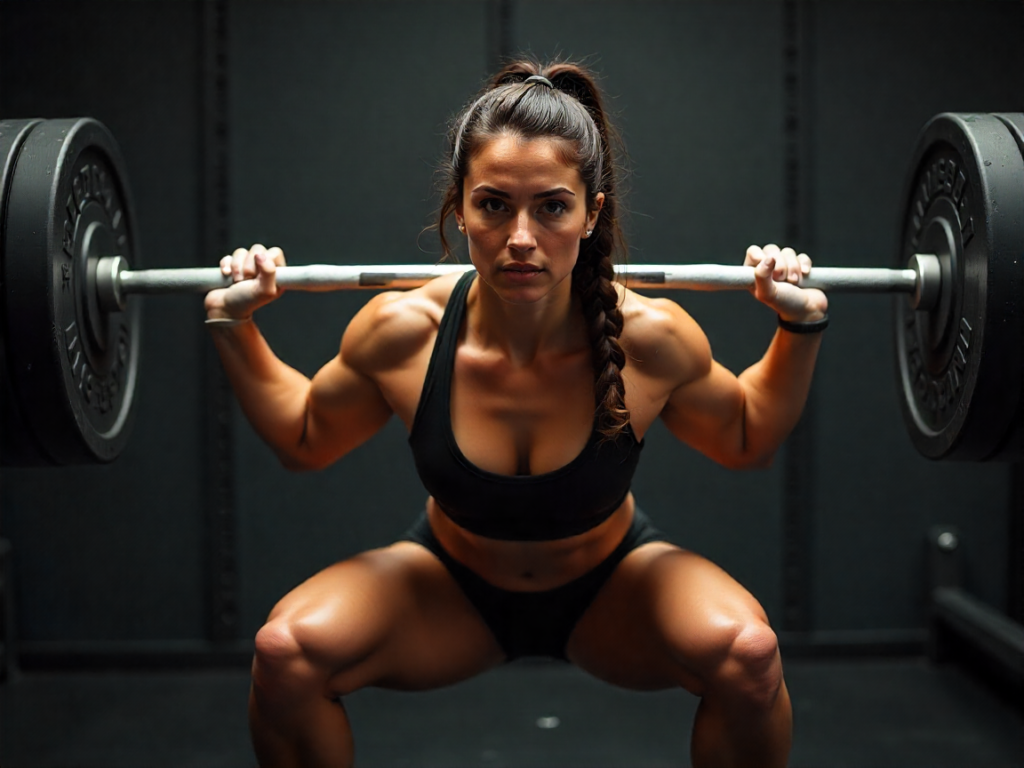
Powerlifting is a popular sport. It’s also one of the few sports where women are just as competitive as men. As the number of women in powerlifting continues to increase, so does the demand for information on how to train and eat for this sport. Especially because there are only a few resources available that offer specific information for female powerlifters.
Nat, the head coach of Nemesis Powerlifting and Performance, is a state and national champion. Nat is a fantastic example of a female powerlifter who has completed the ISSN-SNS nutrition certification as well as Cert 3 and 4 in fitness.
According to Nat, due to limited information, many women have turned to bodybuilding or CrossFit, which may not be ideal for female powerlifters. She is passionate about helping others become stronger, improve their relationship with food, and achieve significant success on the platform!
This article explains in detail how to get started with your diet if you are interested in becoming a female powerlifter!
Proper Female Powerlifting Diet
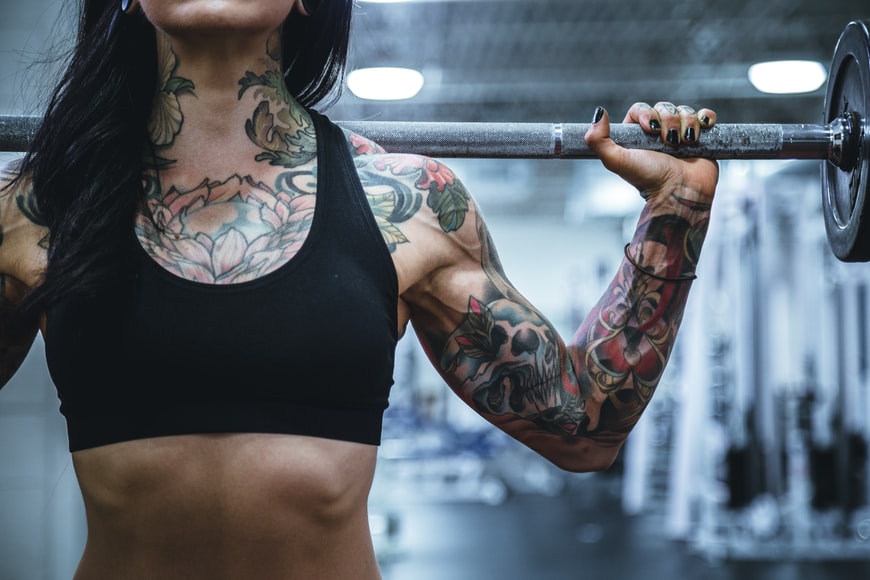
A proper female powerlifting diet consists of nutritious foods that provide your body with the nutrients it needs to maintain a healthy lifestyle. It should also provide you with the energy you need for your workout regimen. In addition, certain foods will help you build muscle, which is important if you want to lose weight and maintain your fitness.
A female powerlifting diet does not include foods that might be detrimental to your health, like fast food, processed foods, or sugary sweets. Instead, it focuses on consuming lean proteins, fiber-rich foods, and vegetables!
Macronutrients for a Female Powerlifting Diet
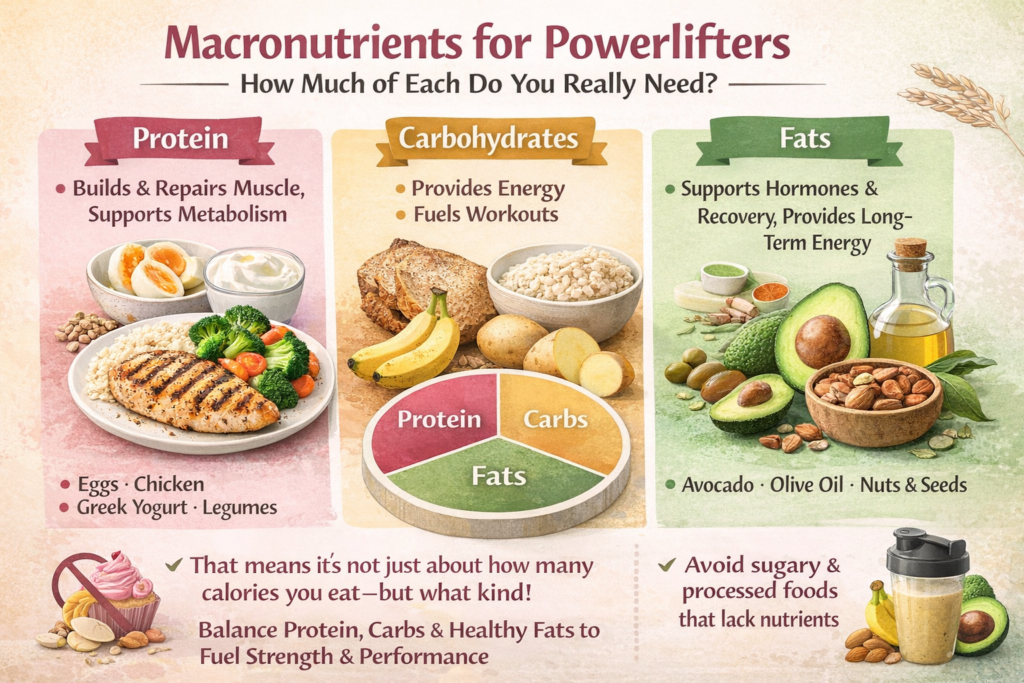
Macronutrients are proteins, carbohydrates, and fats. The macronutrients that you need for a female powerlifting diet are more specific than what you would need for a normal diet. Proteins and carbohydrates are essential for fueling your workouts. It’s important to consume both of these nutrients to achieve the best results. Let’s see them in detail:
Carbohydrates:
Carbohydrates fuel heavy lifts and intense training sessions. Carbs replenish muscle glycogen, which is critical for squat, bench, and deadlift performance. Complex carbs like oats, rice, potatoes, fruit, and whole grains should form the foundation of daily intake.
Carbohydrates provide energy during your workout routine. Generally, carbs are avoided and dreaded because they can contribute to weight gain. One should not avoid carb intake completely; rather, consume optimal amounts. They are the energy boosters that help you stay actively engaged in a workout. For powerlifters, it is advisable to consume higher carbs before and after workouts. You can include 2 to 2.5 grams of carbs per pound of body weight every day. Carbohydrates are found in foods such as rice, grains, fruits, and vegetables.
Fats:
Fats play a major role in hormone balance, joint health, and long-term energy. Healthy fats from olive oil, nuts, seeds, avocado, and fatty fish should never be eliminated, especially for women.
The common misconception is that fats must be eliminated outright. It is utterly wrong! Monounsaturated and polyunsaturated fats are called good fats, and they must be included in your diet. Trans fats are harmful and should be avoided, while saturated fats should be consumed in moderation.
Fats help you build a leaner, more muscular body. During a longer workout, the body initially uses carbs, and when those run out, it burns fat. In the absence of fats, the body gets tired. Fats contain twice as much energy as protein and carbohydrates. Proper intake of fats contributes immensely to attaining strength and power. The daily intake of fats must be 25 to 30% of total calories.
Proteins:
Protein supports muscle repair and strength gains. Most female powerlifters thrive on roughly 1.6–2.2g of protein per kilogram of body weight, depending on training volume and goals. Prioritise high-quality sources such as lean meat, eggs, dairy, tofu, and legumes.
Proteins are a highly important nutrient in female powerlifting diets. Proteins are the building blocks of the body. Protein is found in meat, eggs, beans, dairy products, legumes, grains, and soy products. All powerlifters should focus on getting an optimal amount of protein every meal and every day. Muscle protein synthesis occurs after a workout. Protein intake during the above process aids muscle healing and quick recovery. Female powerlifters can take up to 0.7 to 1 gram of protein per pound of bodyweight.
Calories
If you’re counting calories, then you should know that there are different types of calories. Calories come from carbohydrates, protein, and fat. You need to make sure you’re getting enough of all three. For instance, your body needs more protein to maintain muscle, which can help with weight loss. The protein will also support your immune system because it builds tissue.
Just calculating calories won’t be the proper method. The proper proportion of fats, carbohydrates, and proteins should be there. Only a powerlifter can achieve the best results in terms of weight as well as performance.
Food Choices
When you’re trying to lose weight and build muscle, you need to make sure that you eat the right foods.
Focus on protein-packed foods like eggs, skim milk, chicken breast, and many others. You can also pair these foods with carbohydrate sources like rice or potatoes. These foods will give you the energy that you need for your workout regimen and will help you bulk up as well.
Additionally, it is important to avoid sugary and processed foods, as they don’t provide your body with the nutrients it needs to perform at its best. That being said, it’s not just about what you eat but when, too!
Your post-workout meal is very important, so make sure to give yourself plenty of time after your workout before eating anything else. This is because your body is still recovering from the workout and needs nutrients more than ever.
Supplements for Muscle Gain:
Supplements are absolutely optional. It is up to the person whether to take it. There are several supplements that can help you build muscle. If you’re looking to gain some muscle, these foods are for you.
Whey protein: Whey protein is an excellent source of protein and helps your muscles recover after workouts.
BCAAs (branch-chain amino acids) provide the right balance of protein and help build and repair muscle tissue.
Creatine: A naturally occurring compound that has been shown to increase muscle mass and strength in adults who use it regularly. It enhances each cell’s energy production and brain function.
Protein powders: An easy way to get the protein you need in your diet, they come in a variety of flavors so you can mix them into shakes or smoothies.
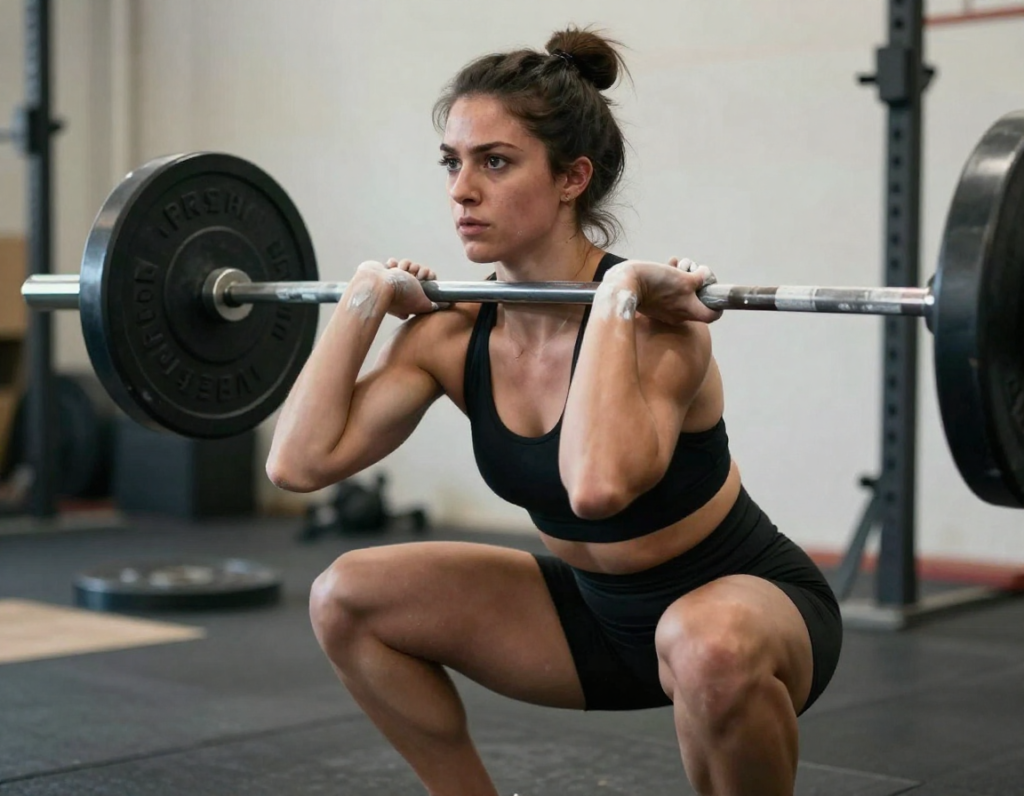
Pre-Workout and Post-Workout Nutrition for Powerlifting
Pre-Workout Fuel
Eating before training helps maximise strength output and focus. Aim for a meal or snack 1–3 hours before lifting that includes:
- Easily digestible carbohydrates
- Moderate protein
- Low fat to avoid sluggishness
Examples include oats with fruit and yogurt, toast with eggs, or a banana with a protein shake.
Post-Workout Recovery
Post-training nutrition supports muscle repair and glycogen replenishment. A combination of protein and carbohydrates within a few hours of lifting can help improve recovery and readiness for the next session.
This doesn’t need to be complicated—rice with chicken, a protein smoothie with fruit, or a balanced meal all work well.
Sample Female Powerlifting Meal Plan (Strength Focused)
Here’s a simple example of what a female powerlifting meal plan might look like on a training day:
Breakfast: Oats with Greek yogurt, berries, and nuts
Mid-Morning Snack: Boiled eggs and fruit
Lunch: Grilled chicken, rice, and vegetables with olive oil
Pre-Workout Snack: Banana and protein shake
Dinner (Post-Workout): Salmon, sweet potato, and greens
Optional Evening Snack: Cottage cheese or yogurt
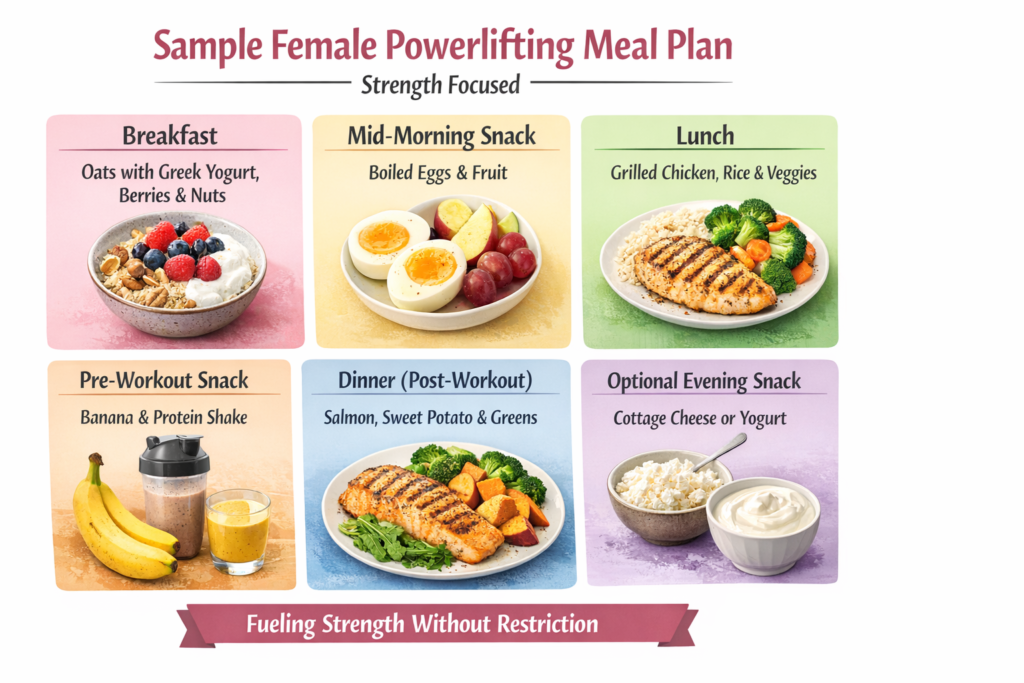
This structure supports strength training without unnecessary restriction.
Supplements Commonly Used by Female Powerlifters
Supplements are optional, but a few are well-researched and commonly used in powerlifting:
- Creatine – supports strength and power output
- Protein powder – convenient way to meet protein needs
- Caffeine – can improve training intensity and focus
- Omega-3s – support joint and overall health
Supplements should enhance an already solid diet—not replace it.
Hydration and Recovery: Often Overlooked but Critical
Hydration affects strength, endurance, and recovery more than many realise. Drinking enough fluids throughout the day and replacing electrolytes after intense or sweaty sessions can support performance and reduce fatigue.
Sleep, stress management, and rest days are equally important parts of a sustainable powerlifting lifestyle..
Fuel Strength Without Overcomplicating It
A female powerlifting diet doesn’t need extremes or rigid rules. Consistent meals, adequate protein, sufficient carbohydrates, and proper recovery create a strong foundation for long-term progress in the gym.
Listening to your body, adjusting intake based on training demands, and focusing on nourishment—not restriction—makes powerlifting both effective and sustainable.
When it comes to powerlifting, people focus on many things – the type of workouts, techniques, scale, but they forget about something very important: Diet. It’s not just about calories in versus calories out. You need to be eating the right foods as mentioned in our blog post. The qualified trainers at Nemesis Performance are here to provide one-on-one powerlifting training. From structuring your workout routine to framing a specific diet that suits your body, we do it all. Contact us today to start your rewarding powerlifting journey.
Frequently Asked Questions About a Female Powerlifting Diet
How many calories do female powerlifters need?
Calorie needs vary based on body size, training intensity, and goals. Strength-focused lifters generally require more calories than sedentary individuals.
Can you powerlift while cutting weight?
Yes, but aggressive calorie cuts can impact strength and recovery. Gradual adjustments work best.
Is a female powerlifting diet different from men’s?
The principles are the same, but women often need more attention to hormonal balance, recovery, and adequate fat intake.
Do female powerlifters need supplements?
No supplements are required, but some can support training when used appropriately