“Ang Prinsipe ng mga Ibon” is more than just a children’s story. At its heart, it is a gentle and meaningful tale about growing up with empathy, humility, and respect for life. It follows a young prince who is raised not in luxury, but among birds and nature. Instead of learning about power and status, he learns about kindness, listening, and understanding the world around him.
It is really hard for my 6-year-old daughter to learn Filipino. In fact, her grades on that subject are so low that it pulled down her general average for the first grading period.
To be honest, I’m worried because she has always wanted to win an award at school. But this time, she can’t because of her grade in Filipino.
I had been thinking of an effective way to teach her Filipino. I let her watch YouTube videos for kids, like fairy tales and others. Aside from that, I also let her read some Filipino books.
Although she complains that she cannot understand it, I explain it to her. Good thing there are books for kids available in two languages. This way, she can read the English translation, which helps her understand the story. She can also compare the Filipino text to the English part.
Recently, we went to National Bookstore to buy clay and magic pencils because I had promised her I would. We also looked at the book section and bought her a new book titled “Ang Prinsipe ng mga Ibon.”
The Story: A Prince Raised by Nature
The prince’s childhood is shaped by his close relationship with birds. He observes how they live, how they care for one another, and how each small creature has a purpose. Because of this, he grows up emotionally aware and deeply compassionate. He does not see himself as superior to others, despite being royalty. Instead, he views himself as part of the larger world. This upbringing teaches him that true strength lies in gentleness and wisdom, not in control or authority.
One of the book’s strongest messages is its redefinition of greatness. In many traditional stories, princes are admired for their power and authority. In this story, however, greatness is shown through humility and care.
The prince becomes admirable not because of his title, but because of his character. He listens before he speaks, understands before he judges, and helps without expecting praise. Children learn that real leadership begins with kindness.
Many readers, including adults, find this story surprisingly emotional. The prince represents innocence, curiosity, and openness—qualities that many people lose as they grow older. Reading about his simple, peaceful life among birds often evokes nostalgia. It reminds readers of a time when life felt slower and more connected to nature. This emotional connection makes the story memorable and meaningful.
The book also quietly promotes environmental awareness. Through the prince’s love for birds and nature, children learn that humans are not masters of the world but part of it. The story encourages respect for animals, plants, and the environment without sounding preachy. Long before environmental issues became mainstream, this book taught children to care for the natural world.
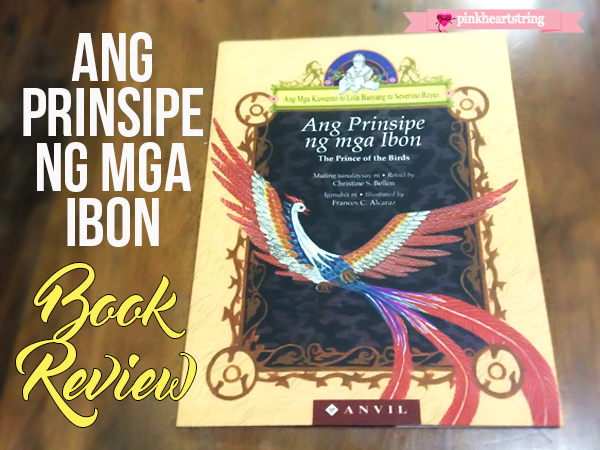
‘Ang Prinsipe ng mga Ibon’ Book Review
This book has both English and Filipino text. I asked her to read the Filipino part first, then the English part. After reading, I asked her what the story was about. It is very interesting and has an important moral lesson.
It is one of the many stories from Ang Mga Kuwento ni Lola Basyang ni Severino Reyes. I actually thought it is something like Ibong Adarna because of the cover. I immediately pictured the men sleeping under the trees while the Ibong Adarna sings. Lol. But I was wrong. It has a different story.
According to my daughter, “Ang Prinsipe ng mga Ibon” or “The Prince of the Birds” is about a girl who married a bird. When I heard that, I was surprised. But she is right.
It is about Princess Singsing, who married the Prince of the Birds. She is a very kind princess, and when the King told her that she needed to get married, she introduced him to a bird. Of course, the King did not agree with the Princess’s desire to marry the bird.
There were two instances when the King encountered some problems in his kingdom. The Princess told him that the bird would help him, but he should promise that he would let her marry the bird after that. But even if the bird was successful in helping the King, he still refused to approve the marriage.
Because of that, the bird said that he doesn’t want to become a person anymore because people don’t know how to keep their promises. With that, the Princess decided to turn into a bird so she can be with her beloved. And they left the kingdom together.
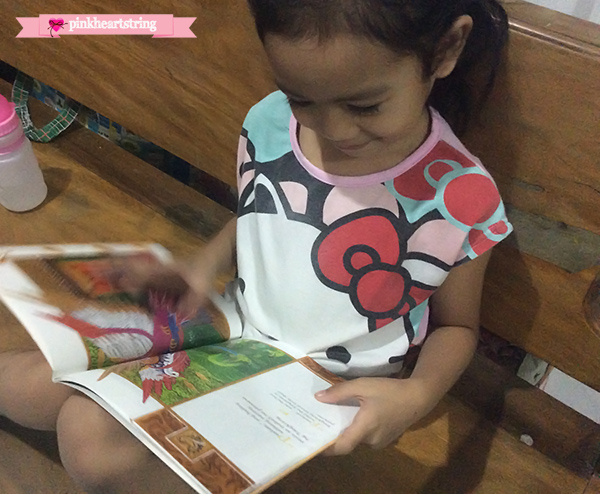
Moral Lesson: We need to keep our promises, or else we will suffer the consequences. We should also avoid judging others based on the way they look.
In the story, the King lost her daughter because he did not keep his promise. Apparently, this is very painful for him, especially after he saw his daughter turn into a bird.
The King belittled the ability of the bird to help save the kingdom, and he only looked at it as a mere bird despite knowing that it could turn into a Prince after marrying his daughter.
The Core Message: Redefining “Greatness”
One of the most powerful lessons in the book is this:
Being great doesn’t mean being higher than others.
It means being kinder, wiser, and more understanding.
Through his relationship with the birds, the prince learns that:
Every creature has value
Even the smallest life matters
Strength is shown through gentleness
Leadership begins with listening
This quietly challenges the idea that success is about dominance or control — something children (and adults) really need today.
Why Teachers Use This Book in School
Many Filipino teachers love this story because it works on multiple levels.
Language Development
Uses rich, poetic Filipino
Introduces expressive vocabulary
Helps improve reading comprehension
Values Education
It naturally teaches:
Respect
Empathy
Responsibility
Environmental awareness
Emotional maturity
Discussion-Friendly
After reading, teachers can easily ask:
“What kind of leader is the prince?”
“Why did he love the birds?”
“How can we be like him?”
These questions help children think deeply — not just memorise.
Why Parents Love This Book at Home
For parents, this story is a gift.
1. It Opens Conversations
After reading, you can talk about:
Kindness
Helping others
Treating animals well
Being humbleManaging emotions
It creates natural bonding moments.
2. It Supports Gentle Parenting
The values in the book align with respectful, emotionally safe parenting:
No shaming
No harsh punishment
Focus on understanding.
Emphasis on empathy
The prince models the kind of behaviour many parents hope to raise.
3. It Balances Academics and Heart
Some children’s books focus only on reading skills.
This one develops both the mind and the heart. That balance is rare.
Conclusion
The book is very nice with colorful illustrations. I already mentioned that I like it because it is available in two languages. Aside from that, it has a moral lesson that we can teach our children.
There are still other books from Ang Mga Kuwento ni Lola Basyang ni Severino Reyes, and I will definitely buy some too. I guess my daughter will be getting more of these books for our next trip to the National Bookstore!
How about you? Have you read this book already? What is your favorite book that has a moral lesson?
Frequently Asked Questions (FAQ)
What is Ang Prinsipe ng mga Ibon about?
Ang Prinsipe ng mga Ibon is a Filipino children’s book about a young prince who grows up surrounded by birds and nature. Through his experiences, he learns important values such as kindness, humility, empathy, and respect for life. The story focuses on emotional growth rather than power or wealth.
Who wrote Ang Prinsipe ng mga Ibon?
The book was written by Severino Reyes as Lola Basyang.
What age is Ang Prinsipe ng mga Ibon suitable for?
This book is ideal for children aged 6 to 12, but it can also be enjoyed by younger kids when read with a parent. Older readers and adults often appreciate its deeper message and emotional themes.
What lessons does Ang Prinsipe ng mga Ibon teach?
The story teaches children that true greatness comes from kindness, understanding, and humility. It highlights the importance of respecting others, caring for nature, listening before judging, and leading with compassion.
Why is this book used in schools?
Many schools use Ang Prinsipe ng mga Ibon because it supports both language development and values education. Its poetic Filipino writing helps improve reading skills, while its themes encourage empathy, emotional intelligence, and moral reflection.
How can parents use this book for learning at home?
Parents can read this book with their children and discuss the story afterward. Asking questions about the prince’s feelings, choices, and actions helps children understand empathy and responsibility. It is also a good way to strengthen parent-child bonding.
Does the book promote environmental awareness?
Yes. The story gently teaches children to respect birds, animals, and nature. It shows that humans are part of the environment and have a responsibility to care for it, making it relevant in today’s world.
Is Ang Prinsipe ng mga Ibon still relevant today?
Absolutely. Even in the digital age, the book’s message about kindness, humility, and emotional intelligence remains important. These values are timeless and continue to guide children in building healthy relationships and character.
Where can I buy Ang Prinsipe ng mga Ibon?
The book is usually available in major bookstores in the Philippines, online shops, and educational book suppliers. Some schools and libraries also carry copies for students.
Why do parents and teachers recommend this book?
Parents and teachers recommend this book because it balances storytelling with meaningful life lessons. It helps children grow emotionally, think deeply, and develop respect for others and for nature.
