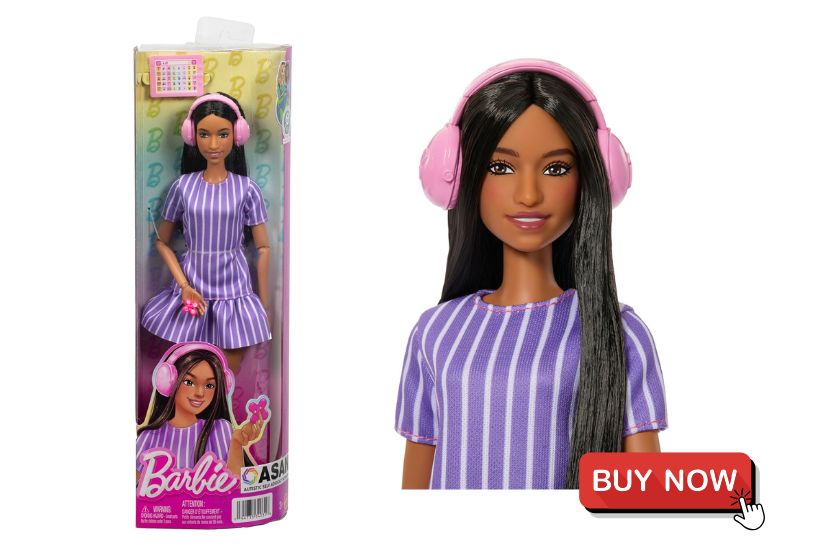
Toymaker Mattel has released its first Barbie designed to represent autism, featuring pink noise-cancelling headphones, a clip-on fidget spinner, and a tablet symbolising an augmentative and alternative communication (AAC) device.
“The first autistic Barbie doll invites more children to see themselves represented,” Mattel said, which officially released the doll yesterday.
The launch marks a significant step in the company’s ongoing efforts to reflect neurodiversity through play, using design elements intended to mirror the lived experiences of autistic children.
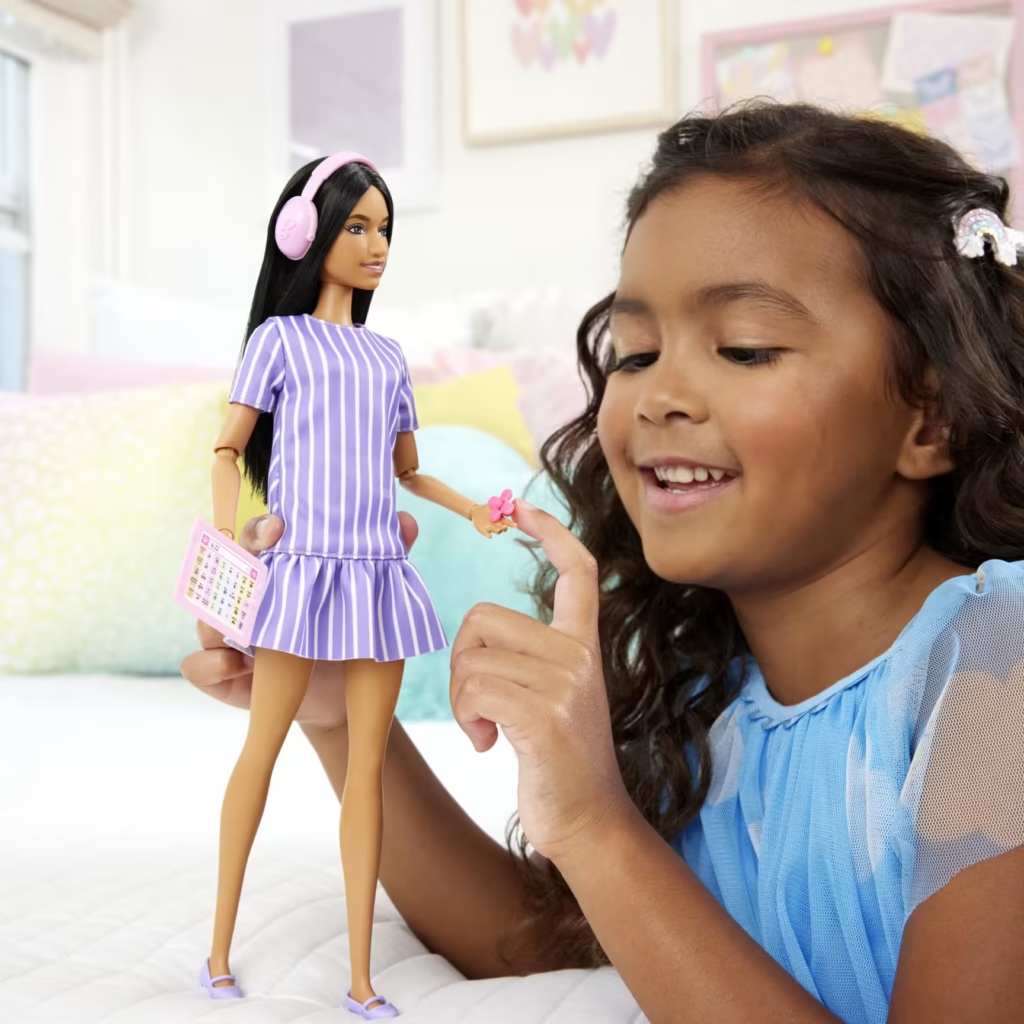
Designed With Autistic Voices
Mattel developed the doll in collaboration with the Autistic Self Advocacy Network (ASAN), a US-based non-profit disability rights group that represents people with autism. Autism is a form of neurodivergence that can influence communication styles, sensory processing, and how individuals experience the world.
The first autistic Barbie was created with a range of visible features in solidarity with autistic children, who make up around one in 100 children globally.
“It is so important for young autistic people to see authentic, joyful representations of themselves, and that’s exactly what this doll is,” said Colin Killick, executive director of the Autistic Self Advocacy Network. “Partnering with Barbie allowed us to share insights to ensure the doll fully represents and celebrates the autistic community, including the tools that help us be independent.”
Sensory-Friendly Features and Stimming Support
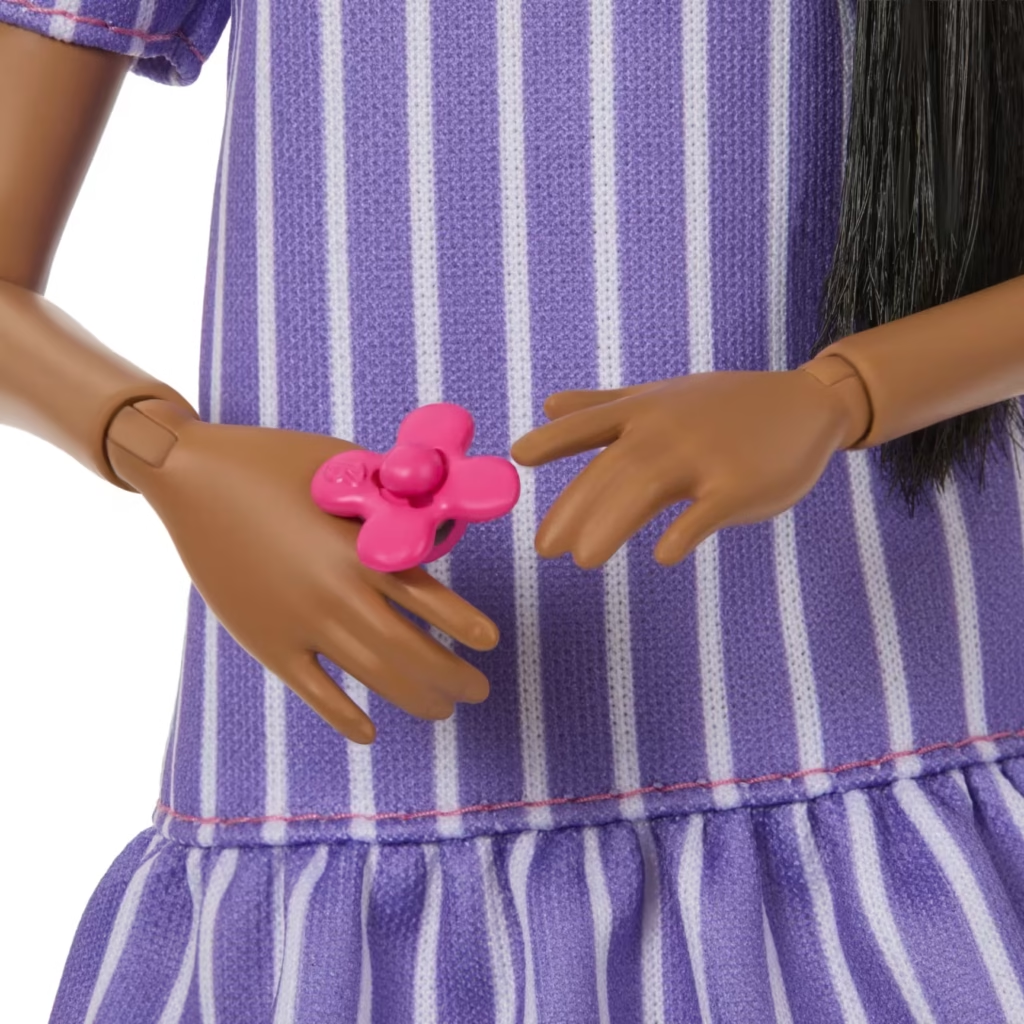
The doll features articulated elbows and wrists to enable stimming—repetitive movements or behaviours, such as hand flapping —used by some autistic people to regulate emotions or manage overstimulation. Its gaze is subtly shifted to the side, reflecting how some autistic individuals prefer to avoid direct eye contact.
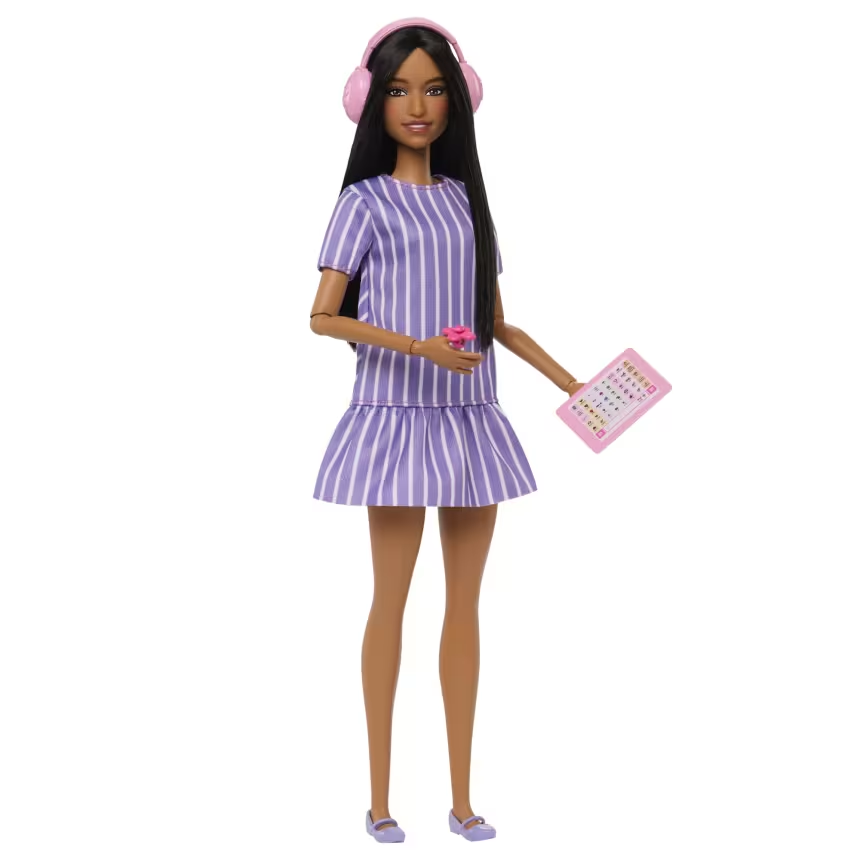
She comes with Barbie-pink over-ear headphones, described by Mattel as a “helpful and fashionable accessory that reduces sensory overload by blocking out background noise.” A matching clip-on fidget spinner can be attached to the doll’s finger, mirroring how some autistic people use handheld fidget tools to improve focus and reduce stress.
The doll also carries a pink tablet displaying a symbol-based AAC system, a communication aid used by some autistic individuals, including children, to support everyday interactions.
Outfit Reflects Comfort and Stability
Mattel said the doll’s clothing was carefully selected to reflect sensory preferences often associated with autism. She wears a loose-fitting, short-sleeved dress with a skater skirt to minimise fabric-to-skin contact, paired with flat, sturdy shoes designed to “promote stability and ease of movement.”
These details aim to normalise adaptive tools and comfort-driven choices rather than present them as limitations.
Spotlight on Autistic Girls and Women
As part of the launch, Mattel is working with autistic individuals in the UK, including Ellie Middleton, founder of the neurodivergent community Unmasked.
“Statistics show that young girls are often undiagnosed or misdiagnosed,” said Middleton, who was diagnosed with autism and ADHD at the age of 24.
“To have a powerful symbol like this autistic Barbie doll helps bring the conversation around neurodivergence in women to the forefront, so that autistic girls can feel accepted and seen,” she added.
Eileen Lamb, senior director of social media at Autism Speaks, also highlighted the broader impact of representation.
“Autism can look different in girls, and the fact that Barbie is a girl is powerful,” Lamb said, according to European Business Review. “Representation matters, and it’s really good for children to see themselves in a toy. It sends a message that being different is nothing to be ashamed of.”
Why Mattel’s First Autistic Barbie Marks a Milestone for Inclusive Toys
Mattel’s first autistic Barbie represents a shift in how inclusion is approached in children’s toys—not as a token gesture, but as a thoughtful, everyday representation. Rather than focusing on labels, the doll integrates familiar tools and design choices that reflect how some autistic children move through the world, making neurodiversity visible without being sensationalised.
What sets this release apart is the level of collaboration behind it. By working closely with the Autistic Self Advocacy Network, Mattel grounded the doll’s design in lived experience. From the articulated wrists and elbows that allow stimming, to the subtly averted gaze that reflects comfort preferences around eye contact, each feature signals respect for how autistic people experience their bodies and environments.
The inclusion of sensory-support tools such as noise-cancelling headphones, a clip-on fidget spinner, and a tablet representing an AAC device also sends a powerful message: support needs are not flaws to be hidden. Instead, they are normal parts of daily life that enable independence, communication, and confidence.
For families, especially those raising autistic girls who are often underdiagnosed or misdiagnosed, the doll helps broaden public understanding of what autism can look like. It reinforces the idea that difference belongs in mainstream spaces—on toy shelves, in playrooms, and in the stories children grow up with.
By embedding neurodiversity into one of the world’s most recognisable toys, Mattel is not just expanding Barbie’s image. It is helping redefine what “normal” looks like in childhood play, making room for more children to feel seen, understood, and valued.
Part of Barbie’s Broader Inclusion Push
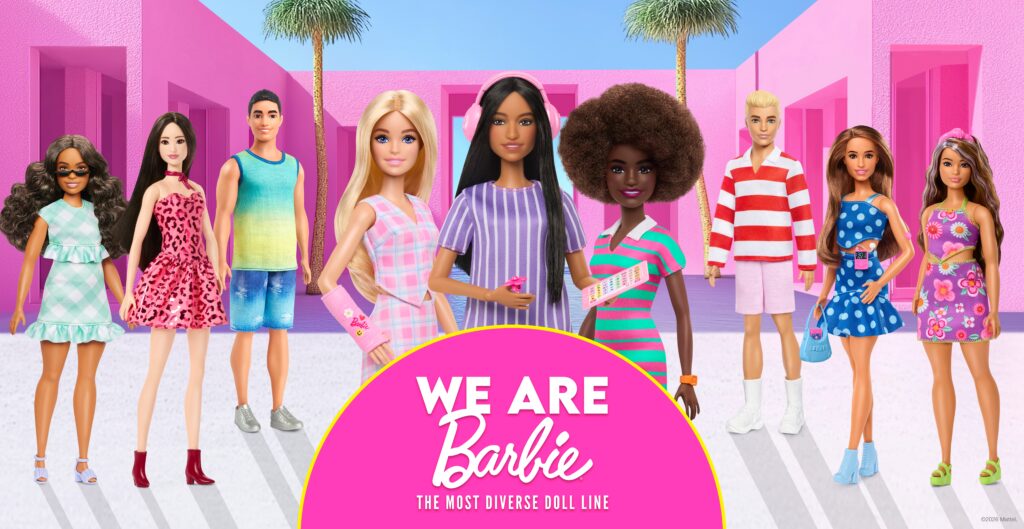
The autistic Barbie joins Mattel’s wider inclusion efforts, which began with the Fashionistas line in 2016 and expanded Barbie’s range of body types, skin tones, and abilities. Previous releases have included dolls representing blindness, Down syndrome, type 1 diabetes, and a hijabi Barbie inspired by Olympic athlete Ibtihaj Muhammad.
With the release of its first autistic Barbie, Mattel continues to position representation not as a novelty, but as a core part of how children see themselves—and others—reflected in play.
Get a Barbie With Autism from Amazon now!