In parents’ lives, one of the best moments is seeing their toddlers sleeping peacefully. But many parents worldwide might find toddlers’ bedtime to be the hardest part of the day. Children this age often struggle to get enough sleep at night, especially due to daytime mood swings. According to a survey, 70% of children below 5 years old have a sleep problem. Unfortunately, merely parents understanding that children need to sleep well doesn’t guarantee that they will.
However, even while babies are snuggled up in bed, their brains are hard at work on maturational tasks, such as memory consolidation.

Therefore, for your child’s health and well-being, sleep is crucial. In actuality, sound sleeping practices begin at birth. But if you think it is too late to start, don’t worry, this blog is for you.
What is the Fastest Way to Put a Toddler to Sleep?
Here are some easy solutions to the most common sleep issues you can use starting tonight.
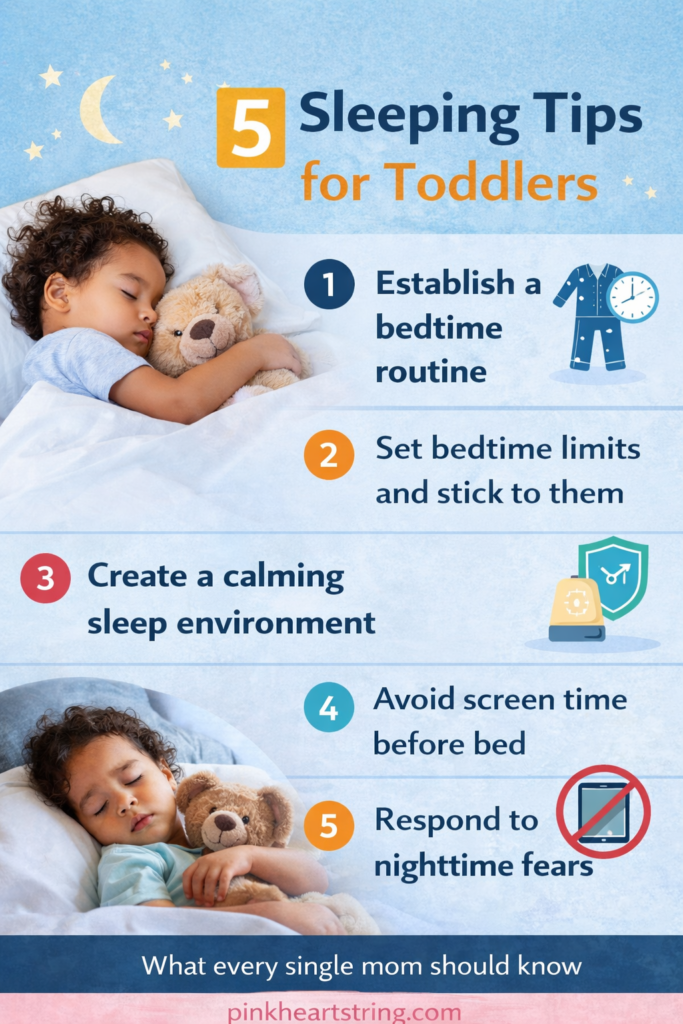
1. Encourage daily naps
Taking daily naps is necessary. It might be challenging for an active child to go through the day without taking a break. Without a nap, a youngster will frequently wake up unhappy and get fussier or more hyperactive throughout the day. Additionally, the length and quality of naps affect how well you sleep at night.
2-year-old sleep regression is common, and at that time you may need to be more patient and manage the sudden change in sleep pattern of your 2-year-old.
2. Maintain a regular bedtime and waking time
Your child’s biological clock greatly affects how awake and sleepy they are. By establishing a regular bedtime and wake-up time, you can set your child’s clock to run smoothly.
Attempt to go to bed early. The optimal time to put young toddlers to bed is between 6:30 and 7:30 p.m. Most toddlers who go to bed early sleep longer and better.
3. Create a cozy sleep environment
Where your child sleeps can be a key factor in your child’s sleep quality. Make use of high-quality sleepmats which are comfortable, and warm blankets. Check that the room temperature is right, pajamas are comfy, and the bedroom is welcoming. This all can make a huge difference in your toddler’s sleep. You can also incorporate bedtime stories to improve your child’s sleeping experience.
4. Power down
Electronic screens like mobile phones or TVs produce harmful light that stimulates the brain, so try to avoid using them right before bedtime. In addition, this can prevent the release of the sleep-inducing hormones melatonin and serotonin in your toddlers.
Besides, children who are not using screens are found to be more active, using up more of their natural physical energy, which makes it easier for them to fall asleep at night.
5. Help alleviate fears
Even while ghosts and other spooky creatures may not really prowl the streets at night, you should talk to your child about their worries before bed. Try employing a particular toy to stand watch at night if basic assurance doesn’t work, or spray the room with “monster spray” before bed.
Try to plan a time during the day to talk about any worries, and avoid these types of chats right before night.
Why Toddlers Struggle With Sleep

Toddler sleep challenges are common and developmentally normal. At this stage, children are learning independence, processing new emotions, and adjusting to changing sleep needs. Separation anxiety, overtiredness, inconsistent schedules, and overstimulation can all make bedtime harder than it needs to be.
Understanding why toddlers resist sleep helps parents respond with patience instead of frustration. Sleep issues are rarely caused by “bad habits” alone — they’re often linked to growth, routine changes, or emotional development.
How many hours is enough for your kid?
Kids’ healthy development and a healthy lifestyle depend on getting enough sleep. According to research, children who receive enough sleep exhibit improvements in:
- Memory
- Attention
- Learning
- Emotional control
- Behavioral health
- Physical wellbeing
- Overall standard of living
Sleep is therefore the best treatment. It costs nothing, has no negative side effects, and does not require prior consent from the insurance company. According to the American Academy of Sleep Medicine, a certain number of hours each age group — from babies to teenagers — should sleep in 24 hours.
| Age range | Recommended sleep |
| Babies (4 to 12 months) | 12 to 16 hours |
| Toddlers (12 to 24 months) | 11 to 14 hours |
| Preschoolers (3 to 5 years) | 10 to 13 hours |
| School-aged kids (6 to 12 years) | 9 to 12 hours |
| Teenagers (13 to 18 years) | 8 to 10 hours |
Therefore, sleep is one of the most basic of all human experiences. Everyone needs it. And ensuring that your kids have enough of it is essential if you want them to continue learning and developing.
How Much Sleep Do Toddlers Really Need?
Most toddlers between the ages of 1 and 3 need 11 to 14 hours of sleep in a 24-hour period, including naps. Some children may need slightly more or less, but consistently falling short can lead to overtiredness, irritability, and bedtime resistance.
Signs your toddler may not be getting enough sleep include:
- Difficulty falling asleep
- Frequent night wakings
- Early morning wake-ups
- Increased tantrums or clinginess during the day
Adequate sleep supports learning, emotional regulation, and healthy development.
The Importance of Consistency (More Than Perfection)
When it comes to toddler sleep, consistency matters more than perfection. A regular bedtime, predictable routine, and familiar sleep environment help regulate your child’s internal clock over time.
Even small inconsistencies — like large swings in bedtime or stimulating activities late in the evening — can affect how easily toddlers settle. Keeping sleep cues consistent sends a clear signal that it’s time to wind down.
What to Avoid Before Bedtime
Certain habits can unintentionally disrupt toddler sleep:
- Screens close to bedtime – Blue light can interfere with natural sleep hormones
- Sugary snacks or heavy meals late at night – These may cause restlessness
- High-energy play right before bed – Exciting activities can overstimulate toddlers
Instead, aim for calm, predictable activities such as reading, quiet play, or gentle cuddles.
What to Do If Your Toddler Wakes Up at Night
Night waking is normal for toddlers, especially during growth spurts or developmental changes. When it happens:
- Keep responses calm and low-key
- Avoid turning on bright lights or engaging in play
- Reassure your child briefly, then encourage them to settle back to sleep
Over time, this helps toddlers learn to self-soothe while still feeling secure.
Frequently Asked Questions About Toddler Sleep
How long does it take to fix toddler sleep problems?
Small improvements can happen within a few days, but consistent routines often take 1–2 weeks to show noticeable results.
Should toddlers still nap during the day?
Most toddlers still benefit from at least one nap. Skipping naps too early can make bedtime harder, not easier.
Is it normal for toddlers to resist bedtime?
Yes. Bedtime resistance is common as toddlers assert independence. Predictable routines help reduce power struggles.
What if my toddler only sleeps when held or rocked?
Gradual changes work best. Supporting self-soothing doesn’t mean removing comfort overnight — small steps make the transition easier.