If you’ve ever caught your child mid–booger snack and instantly questioned your parenting journey, you’re not alone. It’s one of those unexpected moments that can leave you confused, slightly horrified, and wondering if something is wrong.
The question most parents search right away is simple: why do kids eat boogers, and is it normal?
The short answer is yes—this behavior is common in young children and usually nothing to worry about. In most cases, kids do it out of curiosity, habit, or convenience, especially before they fully understand hygiene and social norms.
What matters more is understanding why it happens, whether it’s harmful, and how to gently guide your child out of the habit without turning it into a power struggle.
What Are Boogers and Why Do We Have Them?
Before anything else, it helps to understand what boogers actually are. Boogers are simply dried mucus, and mucus plays an important role in the body. It traps dust, bacteria, pollen, and other particles from the air we breathe, helping protect the lungs and immune system.
Most mucus doesn’t even turn into visible “boogers.” It naturally drains down the throat and is swallowed without us noticing. That means when kids eat boogers, they’re not really introducing anything unfamiliar into their body—it just feels that way to us.
Still unpleasant? Definitely. Dangerous? Usually not.
Why Do Kids Eat Boogers?
There’s no single explanation for why kids eat boogers—it’s usually a combination of curiosity, physical sensations, and simple childhood behavior. While it might seem strange or concerning from an adult perspective, for children, it often happens without much thought. Understanding the reasons behind it can help you respond calmly and guide them toward better habits.
1. Curiosity and Exploration
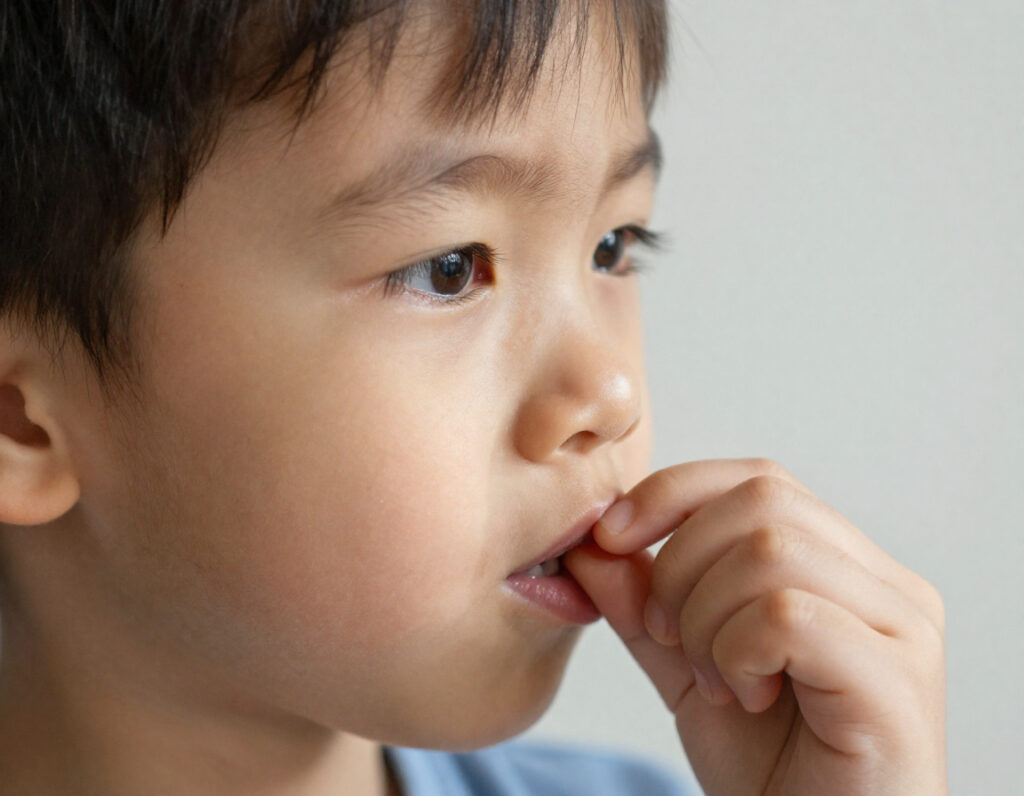
Young children learn about the world through their senses, including exploring their own bodies. At an early age, everything is new—textures, sensations, and even bodily functions. Nose picking and, eventually, tasting what they find can simply be part of that discovery process. To a child, this isn’t “gross” behavior—it’s experimentation. Just like putting toys in their mouth or touching unfamiliar objects, it’s their way of figuring out how things feel, taste, and work.
2. Texture and Taste
It may sound unpleasant, but there’s a sensory component involved. Boogers have a sticky, sometimes rubbery texture that can feel interesting to a child who is still developing sensory awareness. On top of that, mucus contains small amounts of salt, which can give it a slightly salty taste. For some children, that combination of texture and taste can be oddly satisfying, especially if they’re in a stage when they seek out different sensory experiences.
3. It’s Convenient
From a child’s point of view, eating a booger can simply be the quickest and easiest way to deal with it. Young kids don’t always think about hygiene or social norms—they think about immediate solutions. If something is in their nose and bothering them, they remove it and instinctively decide what to do next. Without a tissue nearby or the habit of wiping it away, eating it becomes the most direct option. It’s less about intention and more about convenience in the moment.
4. Habit or Self-Soothing
For some children, this behavior can turn into a habit over time. Just like thumb-sucking, hair twirling, or nail-biting, it can become a repetitive action that provides comfort or helps them cope with boredom, stress, or fatigue. Once it becomes automatic, they may not even realize they’re doing it. In these cases, the behavior is less about curiosity and more about routine, which is why gentle redirection works better than punishment.
5. Physical Irritation
Sometimes, the reason is purely physical. Dry air, allergies, colds, or sinus irritation can cause the inside of the nose to feel itchy or uncomfortable. When that happens, children are more likely to pick their noses simply to relieve that sensation. The more irritation they feel, the more frequently they may do it, which can make the behavior seem excessive. Addressing the underlying cause—such as dryness or congestion—can often reduce how often it occurs.
Is It Normal for Kids to Eat Boogers?
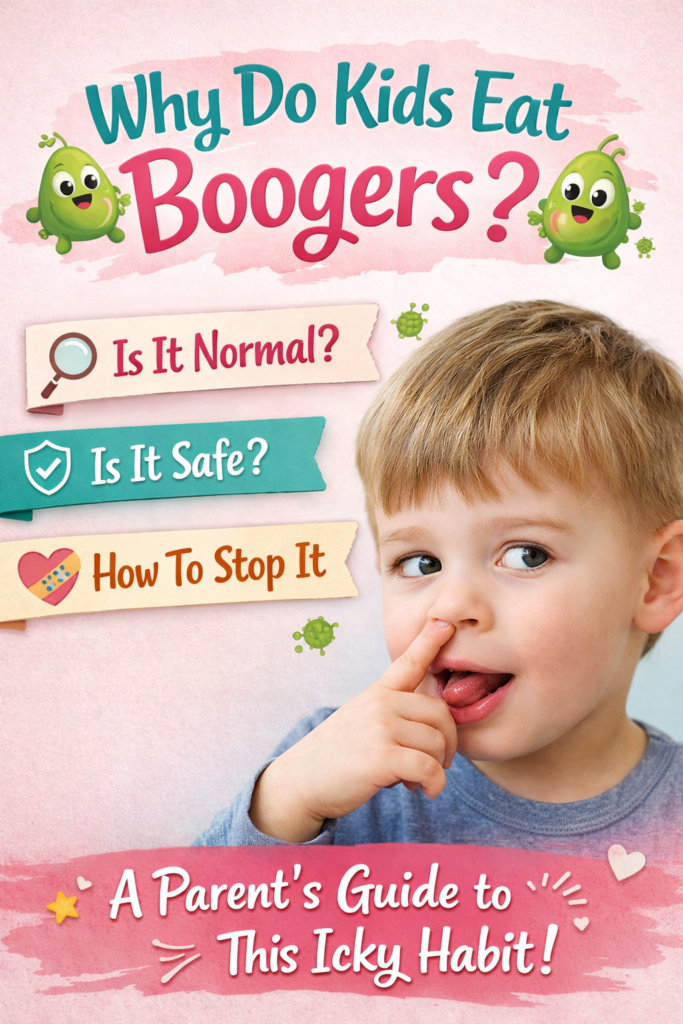
Yes. Completely. Eating boogers is very common in children, especially between ages 2 and 6.
It’s part of:
- Sensory exploration
- Habit formation
- Self-soothing behaviour
- Early development
Most kids go through this phase and grow out of it.
You’re not alone. You’re not failing. Your child is normal.
Is Eating Boogers Bad for Children?
The Good News
Good news for parents: eating boogers probably won’t make your child sick — after all, mucus constantly travels down the back of the throat naturally anyway. But “probably safe” doesn’t mean it’s a great habit. Booger eating doesn’t provide nutrition, and it can spread germs from hands to the mouth if they don’t wash their hands afterward.
Also, frequent nose picking can irritate or even injure delicate nasal tissue, leading to nosebleeds or infections in some cases.
In most cases, eating boogers is harmless. Kids naturally swallow mucus every day as it runs down their throats.
So one extra booger usually won’t cause problems.
The Not-So-Good News
However, frequent nose picking and booger eating can:
- Spread germs
- Increase cold infections
- Irritate the nose
- Cause nosebleeds
- Create small sores
So while it’s not dangerous, it’s better to gently discourage it.
Why Some Kids Do It More Than Others
Some children are more likely to eat boogers if they:
- Have allergies
- Get frequent colds
- Have dry noses
- Feel anxious
- Get bored easily
- Have sensory sensitivities
For many kids, it’s less about the boogers — and more about comfort.
How to Stop Kids from Eating Boogers (Without Shaming Them)
Let’s be honest—reacting with “That’s gross!” might feel natural, but it often backfires. Kids don’t stop—they just hide it. A better approach is calm, consistent guidance that teaches them what to do instead.
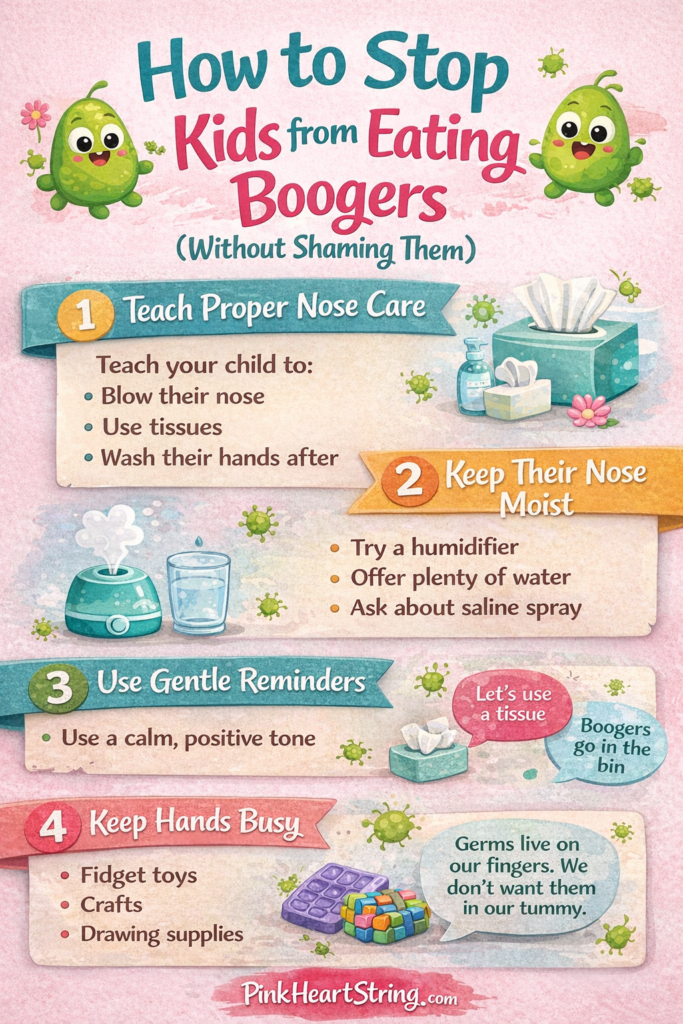
1. Teach Proper Nose Care Early
Start by showing your child what to do instead of picking. Walk them through how to gently blow their nose, use a tissue, throw it away, and wash their hands afterward. When this becomes part of their daily routine—especially during predictable moments like bath time or before bed—it feels normal rather than corrective. Over time, this simple habit can naturally replace the behavior.
2. Reduce Physical Triggers Like Dryness
Sometimes, the issue isn’t behavioral—it’s physical. Dry air, allergies, or irritation can make the inside of the nose uncomfortable, leading kids to pick more often. Keeping your child hydrated and maintaining moisture in the air can help reduce that urge. In some cases, using a humidifier or saline spray (with proper guidance) can make a noticeable difference by easing irritation.
3. Use Calm, Consistent Reminders
How you respond matters more than what you say. Instead of scolding, use gentle and neutral reminders like “Let’s use a tissue” or “Boogers go in the bin.” This reinforces the habit without creating shame. Children respond better to guidance than correction, and a calm tone makes the message easier to absorb and repeat.
4. Keep Their Hands Busy
Many kids pick their noses out of boredom or habit rather than by intention. Keeping their hands occupied—especially during idle moments—can significantly reduce the behavior. Activities like coloring, puzzles, crafts, or small fidget toys can naturally redirect their attention, making the habit less likely to occur.
5. Explain Hygiene in Simple Terms
Children are more likely to follow rules when they understand them. Instead of resorting to fear or harsh warnings, explain hygiene in a simple, relatable way. For example, you can say that germs can stay on our hands and that using tissues helps keep our bodies clean and healthy. When kids understand the “why,” they’re more willing to cooperate.
When Should Parents Worry?
Most of the time, there’s nothing to worry about. But consider speaking to a doctor if your child:
- Picks constantly
- Has frequent nose injuries
- Seems anxious
- Shows repetitive behaviors
This could point to allergies, anxiety, or sensory needs.
Will My Child Outgrow This Habit?
As children grow, they begin to learn proper hygiene, develop social awareness, and recognize that certain behaviors aren’t appropriate in public. Over time, they may even feel a bit embarrassed doing it and naturally start choosing real snacks instead. Most children outgrow this habit by school age, and this phase will pass—promise.
Parenting Is Messy — Literally
If you’ve ever locked eyes with your child mid-booger snack and questioned your life choices, welcome to parenting. The truth is, this behavior is normal, surprisingly common, and almost always just a temporary phase. In most cases, it’s also harmless.
With a bit of patience, gentle guidance, and consistent habits, your child will eventually move past it on their own. And one day, you might even find yourself laughing about it—maybe.
Frequently Asked Questions
Yes, it is normal for kids to eat boogers. This behavior is common in toddlers and young children as part of curiosity, sensory exploration, and habit formation. Most children outgrow it naturally as they develop better hygiene and social awareness.
Eating boogers is generally not harmful because mucus is already swallowed naturally, and stomach acid helps kill germs. However, frequent nose picking can cause irritation, nosebleeds, or increase the risk of infection, which is why the habit should be gently discouraged.
Toddlers pick their noses and eat them out of curiosity, boredom, convenience, or physical irritation, such as dryness or allergies. At this age, children are still learning hygiene and are not yet aware of social norms, which makes this behavior common and developmentally typical.
Most children stop eating boogers by school age, typically between 4 and 6 years old. As they grow, they become more socially aware and learn proper hygiene, which naturally reduces the behavior.
To stop a child from eating boogers, teach proper nose care, keep their nose moisturized, use gentle reminders, and keep their hands busy. Avoid shaming, as calm and consistent guidance is more effective in helping children outgrow the habit.